anesthesiamedical-coveragerisk-managementSRIBIC
Anesthesia Risk
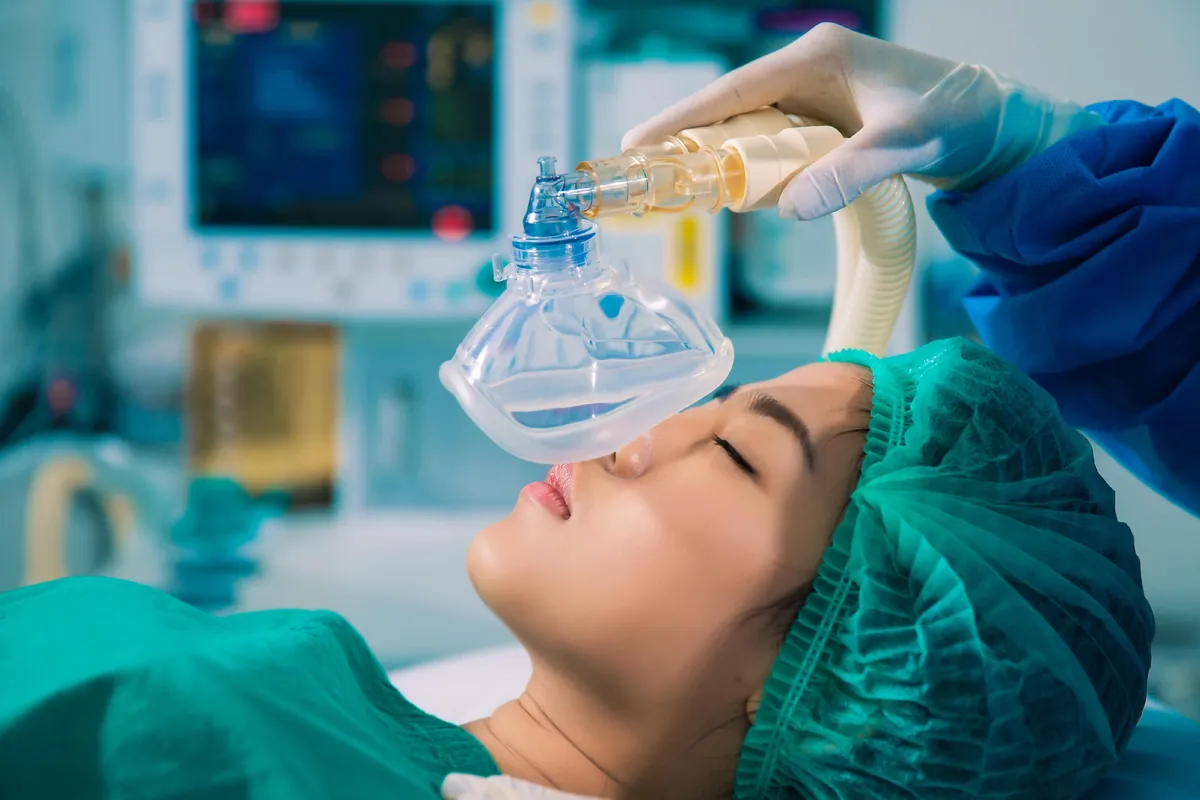
Many medical procedures involve some form of anesthesia which works and impacts risk differently.
Samos Insurance Team
May 25, 2024
4 min read
Many medical procedures involve some form of anesthesia which works and impacts risk differently.
Whether it's wisdom tooth removal, a diagnostic colonoscopy, or a coronary bypass surgery - they all involve some form of anesthesia.
Because Samos covers elective surgeries, we've made it a point to understand anesthesia deeply - so you can feel more confident about your procedure and ask your healthcare providers the right questions.
People at higher risk of complications include:
-Body pain
There are four main types of anesthesia, in increasing strength:
Local, Sedation, Regional, and General.
Here's how they compare:
| Aspect | Details |
|---|---|
| What is it? | Numbs a small part of the body for quick procedures |
| Awake? | Yes |
| How administered? | Numbing cream, spray, or needle |
| Commonly used in | Stitches, cavities, biopsies |
| Side effects / risks | Soreness at injection site, allergic reactions |
| Aspect | Details |
|---|---|
| What is it? | Relaxes muscles and induces drowsiness |
| Awake? | Mild - alert; Moderate - drowsy; Deep - asleep |
| How administered? | Intravenous |
| Commonly used in | Wisdom teeth removal, laser eye surgery, endoscopy |
| Side effects / risks | Nausea, headaches, drowsiness |
| Aspect | Details |
|---|---|
| What is it? | Numbs large areas of the body, causing partial paralysis |
| Awake? | Yes |
| How administered? | Catheter or needle (e.g., spinal block, epidural, nerve block) |
| Commonly used in | C-section, hand surgery, knee surgery |
| Side effects / risks | Nausea, headache, low blood pressure, itching, bleeding, infection, seizure, trouble urinating, nerve damage |
| Aspect | Details |
|---|---|
| What is it? | Puts the patient into unconsciousness and slows body functions |
| Awake? | No - anesthesiologist monitors heart rate, blood pressure, pulse, oxygen levels, and other vitals |
| How administered? | Breathing tube or mask, intravenous |
| Commonly used in | Major or invasive procedures of the head, chest, or abdomen |
| Side effects / risks | Slowed reflexes, impaired judgment, drowsiness, sore throat, nausea, chills, confusion |
Disclaimer: This information is for educational purposes only and should not replace professional medical advice. Always consult your healthcare provider regarding your specific situation.
blogPage.cta-description